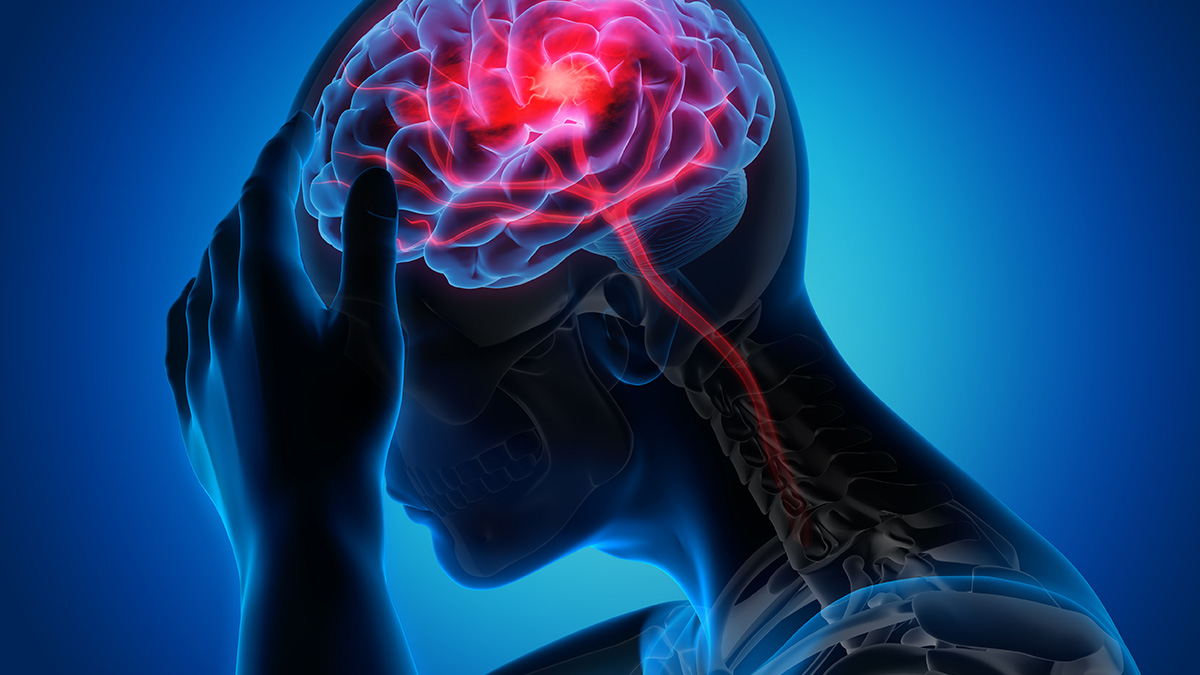
Stroke Doesn’t Wait — But Today’s Technology is Saving Lives Faster Than Ever
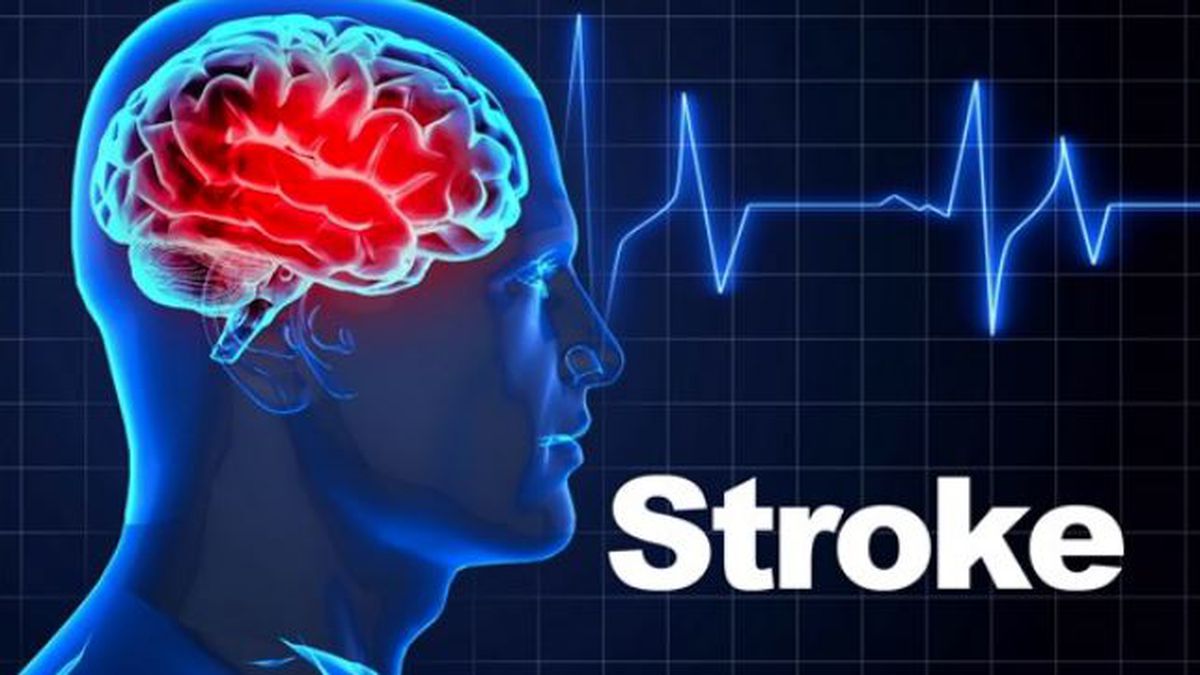
Stroke is one of the most urgent medical emergencies — and in India, it is rising at an alarming pace.
In 2021 alone, over 12.5 lakh people in India suffered a new stroke, and today we contribute nearly 10% of the global stroke burden. Globally, stroke-related deaths are expected to rise by 50% by 2050, especially in developing countries. But there is hope.
Most strokes are preventable, and many lives can be saved with early detection and faster treatment. And this is where modern technology is making a life-saving difference.
Why Stroke Risk is Increasing!
Today's lifestyle is silently increasing stroke risk across age groups:
- High blood pressure
- Diabetes
- Stress and long working hours
- Air pollution exposure
- Lack of physical activity
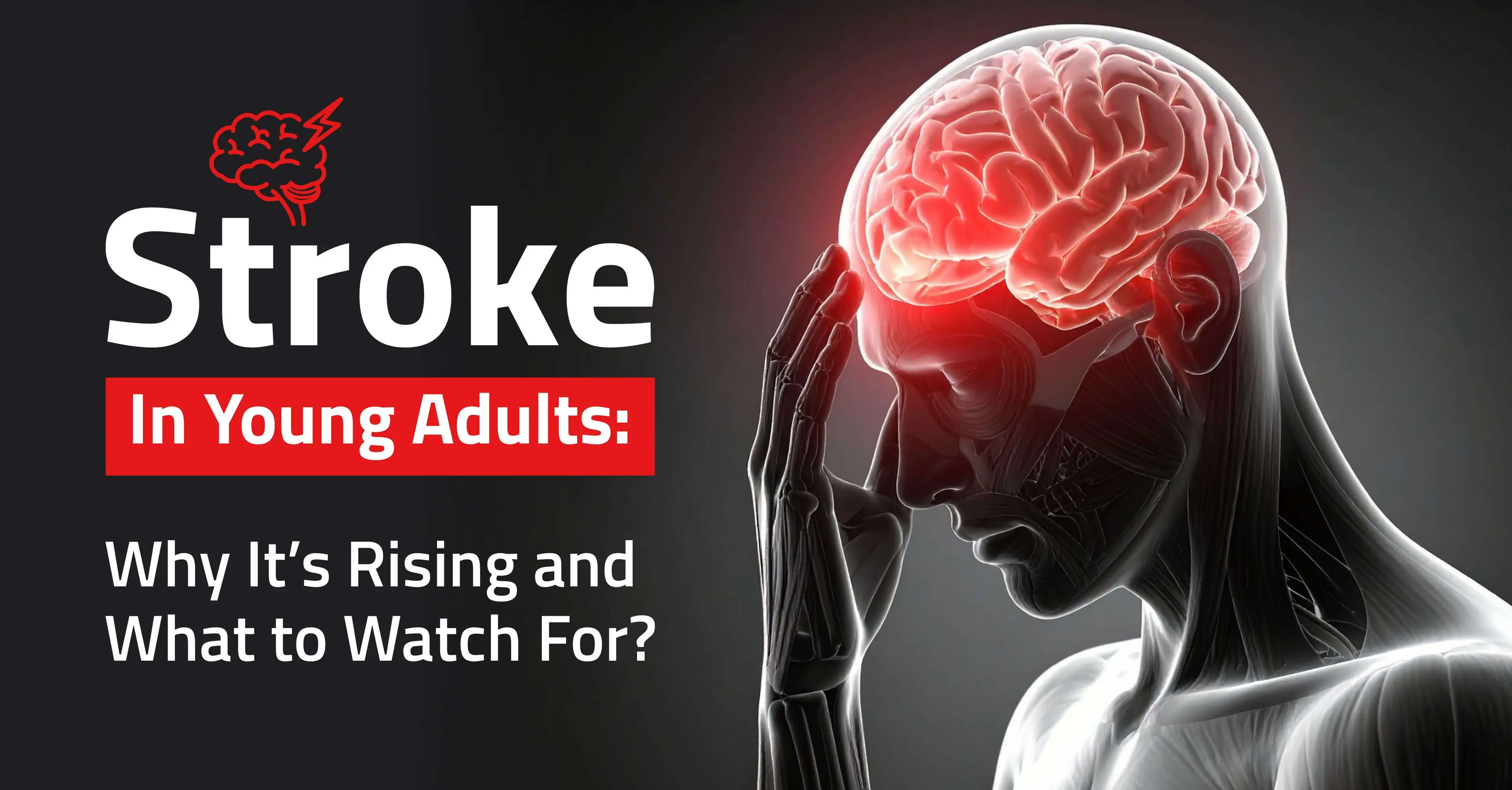
We are now seeing strokes even in younger patients, making awareness and prevention more critical than ever.
How Technology is Transforming Stroke Care
Healthcare is moving from delayed response to real-time, technology-enabled stroke care.
1. Telemedicine is Bridging the Care Gap
Earlier, stroke patients in smaller towns struggled to access specialists in time. Now, telemedicine allows real-time consultation between smaller hospitals and stroke experts.
Benefits:
- Faster diagnosis and decision-making
- Immediate expert guidance
- Quick transfer to the right hospital
- Reduced treatment delays
This is helping save crucial minutes — and brain cells.
2. AI is Detecting Stroke in Seconds
In stroke treatment, every minute matters. Artificial Intelligence (AI) can now analyse brain scans within seconds and alert doctors immediately.
What AI enables:
- Quick identification of stroke type
- Detection of large vessel blockages
- Prioritisation of emergency cases
- Faster treatment planning
This leads to faster treatment and better recovery outcomes.
3. Wearables & Remote Monitoring are Preventing Stroke
Technology is not just treating stroke — it is helping prevent it. Modern devices now allow continuous health tracking:
- Glucose monitoring for diabetes control
- Heart rhythm monitoring to detect silent atrial fibrillation
- Fitness trackers to encourage daily activity
For patients, this means:
- Early detection of hidden risks
- Better control of chronic diseases
- Lower chances of repeat stroke
- Greater confidence in daily life
What This Means for Hospitals & Healthcare Leaders
Hospitals that adopt technology-enabled stroke care systems are seeing better clinical and operational outcomes.
Results:
- Improved survival rates
- Reduced disability
- Faster treatment timelines
- Increased patient trust
- Stronger hospital positioning in stroke care
The Way Forward
Stroke care must shift from emergency response to prevention and early intervention. Adopting modern technologies can significantly reduce stroke-related deaths and disabilities in India.